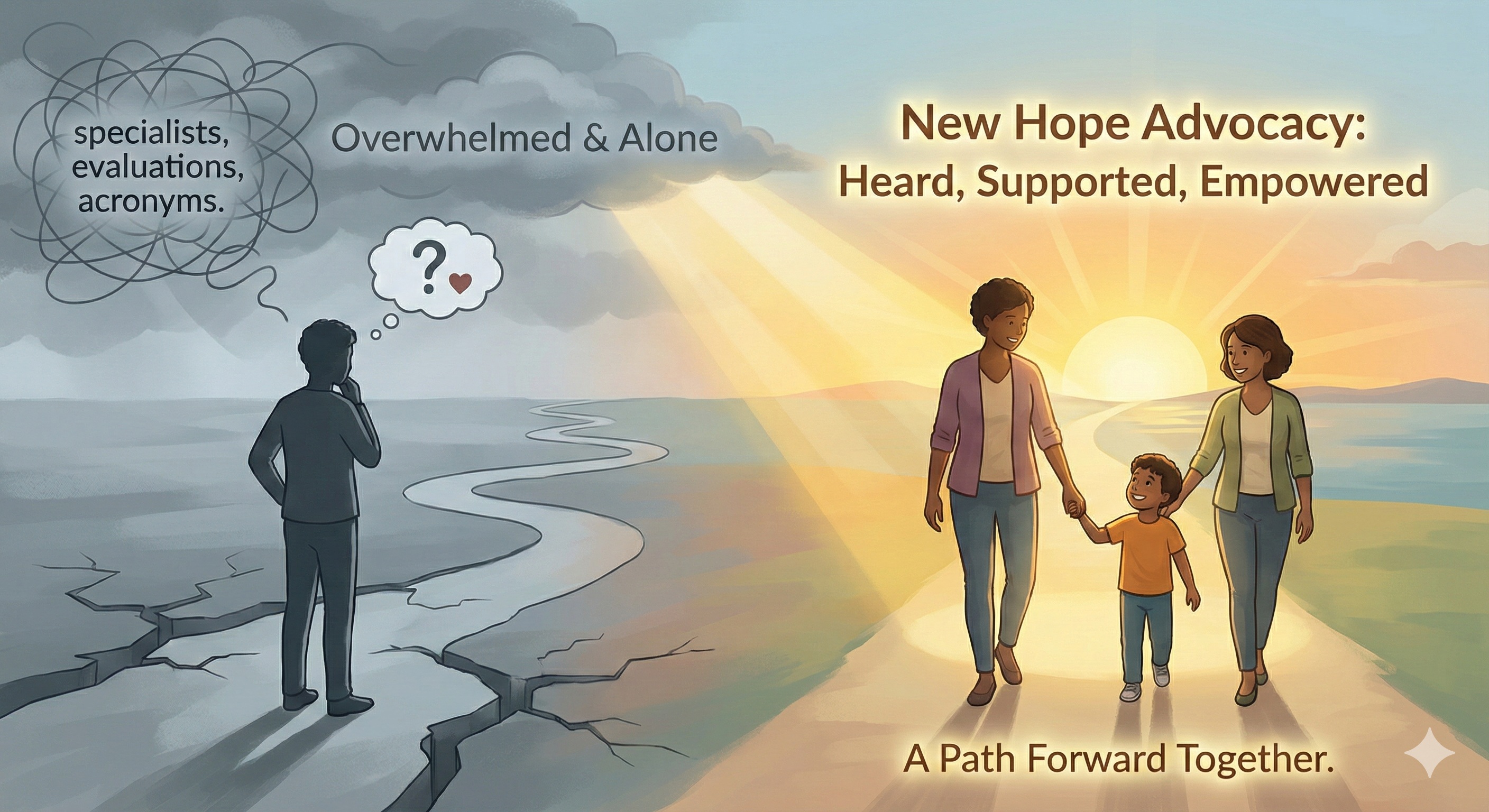
An Overlooked Crisis
Research consistently shows that individuals with intellectual and developmental disabilities (IDD) experience mental health conditions — including depression, anxiety, and PTSD — at rates two to three times higher than the general population. Despite this, they are significantly underserved by mainstream mental health systems.
Why Diagnosis Is Challenging
Several factors make identifying mental health conditions in people with IDD more difficult:
- Diagnostic overshadowing: Symptoms are incorrectly attributed to the disability itself
- Communication barriers: Individuals may struggle to describe internal experiences
- Limited training: Many clinicians have little experience working with IDD populations
- Atypical presentations: Mental health symptoms may look different in this population
Effective Approaches to Treatment
When mental health services are adapted to meet the needs of individuals with IDD, outcomes can be excellent. Effective adaptations include simplified language, visual aids, longer session times, caregiver involvement, and trauma-informed approaches.
Finding the Right Support
Look for providers who specialize in dual diagnosis — the co-occurrence of intellectual disability and mental health conditions. Ask about their experience, training, and approach before scheduling an appointment. Advocacy organizations can often provide referrals to qualified clinicians in your area.
Advocating for Change
Systemic change is needed to ensure that mental health services are accessible and appropriate for individuals with IDD. Families and advocates can push for better training requirements for clinicians, increased funding for specialized services, and inclusion of IDD populations in mental health policy.
Have questions or need support?
Our team is here to help. Reach out and we'll get back to you.
Connect With UsNew Hope Advocacy
Author