Many families leave a 504 meeting with a list of accommodations and later discover that some were vague, misunderstood or never consistently used. Your child came home with a test they couldn't finish, even though "extended time" is in the plan. A substitute didn't know about the seating arrangement. Notes were never shared.
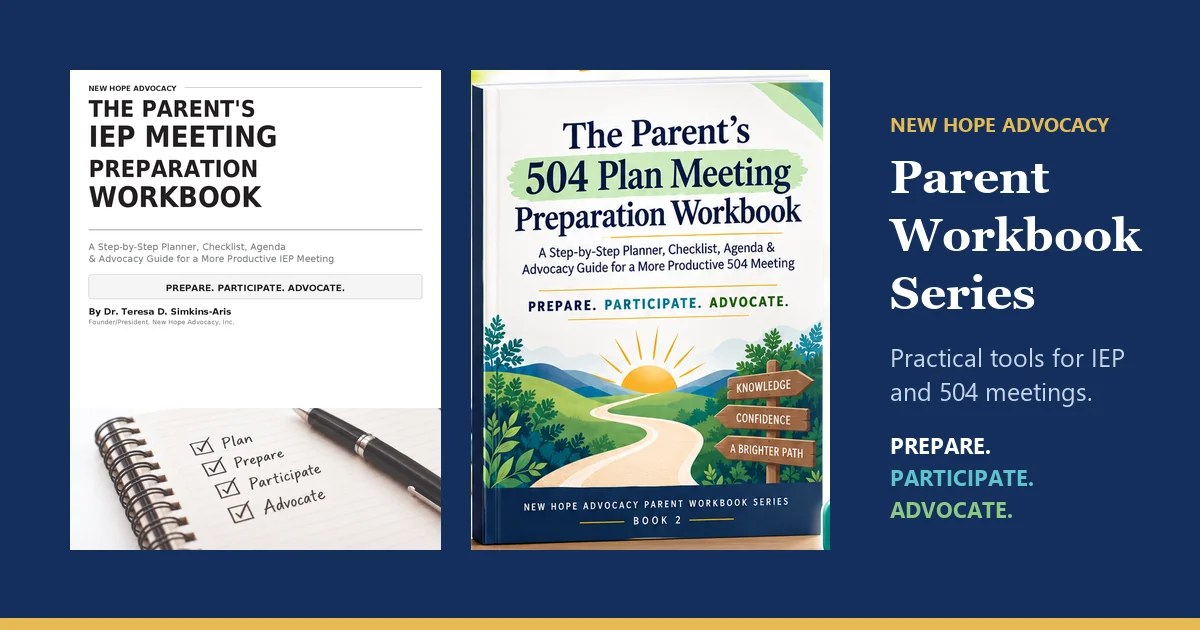
As Dr. Teresa D. Simkins-Aris puts it in The Parent's 504 Plan Meeting Preparation Workbook, an accommodation written on paper only matters if it is understood, implemented and effective.
Three Questions for Every Accommodation
Go through your child's plan one accommodation at a time and ask:
- Is it still needed? Does it address a real, current barrier for your child?
- Is it actually provided? In every class where it applies, by every adult, including on test days and with substitutes?
- Does it help? Is your child better able to access instruction or show what they know because of it?
Mark each one: keep, change or discuss at the next meeting.
Is It Specific Enough to Implement?
Vague accommodations are the most common reason accommodations fail. If two teachers could reasonably read it two different ways, it probably needs more detail.
- Vague: "Extended time as needed."
Specific: "Time and a half on classroom tests and quizzes, and on assignments longer than one class period. The student may finish tests in the resource room." - Vague: "Preferential seating."
Specific: "Seated near the point of instruction and away from the door and windows in all core classes." - Vague: "Breaks when needed."
Specific: "Up to two 5-minute breaks per class, requested with a break card, taken in a designated spot."
These are illustrations. The right details depend on your child's needs. A specific accommodation answers what, when, where, how much and how your child asks for it.
Connect Each Accommodation to Functional Impact
A 504 plan is built on how a disability affects your child's ability to take part in school, such as learning, reading, concentrating, thinking or communicating. That is called functional impact. Each accommodation should trace back to one.
For example: "ADHD" is a diagnosis. "Loses track of multi-step directions given verbally, so assignments are often started late or incomplete" is a functional impact, and it points to accommodations such as written directions and check-ins. When you can describe the impact clearly, it is much easier to show why an accommodation is needed, and whether it is working.
A disability may open the conversation. Individual need should drive the plan.
Gather Evidence Before You Raise Concerns
- Work samples and tests, especially unfinished ones
- Grades and teacher comments over time
- Emails about missed accommodations, with dates
- Your child's own account: Which classes use the accommodation? Which don't? Do they feel comfortable asking for it?
Ask the Implementation Questions
At your next 504 meeting, or in an email to the 504 coordinator, ask:
- Which teachers and staff have a copy of the plan?
- Who makes sure substitutes and new staff know about it?
- How does my child request an accommodation, and what happens if it isn't provided?
- How will we know it is being used consistently?
- When will the team review whether it is working?
If Accommodations Aren't Being Provided
- Start with the teacher. Sometimes the plan simply never reached them.
- Write to the school's 504 coordinator if the problem continues. Describe what is in the plan, what is happening instead and when.
- Ask for a 504 meeting to clarify or revise the plan.
- Know your formal options. Your district's Section 504 procedures describe its grievance process, and families can also file a complaint with the U.S. Department of Education's Office for Civil Rights, generally within 180 days of the problem.
The Workbook Built for This
The Parent's 504 Plan Meeting Preparation Workbook helps you evaluate whether accommodations are specific and measurable, connect concerns to functional impact and plan how each accommodation will actually be carried out. It includes functional impact worksheets, accommodation review and implementation planning pages, questions to ask, meeting notes and post-meeting follow-up tools.
See The Parent's 504 Plan Meeting Preparation Workbook →
Keep the 504 plan, evaluations, emails and meeting notes together in your New Hope Advocacy Member Vault, so your evidence is ready when the plan is reviewed. Become a member.
Not sure whether your child needs a 504 plan or an IEP? Read IEP or 504 Plan? How to Know Which Meeting You're Preparing For.
This article is general educational information, not legal advice. Federal law sets a baseline; your state and district may add requirements or timelines. Use the most current procedural safeguards notice from your school district or state.
Prepare. Participate. Advocate.
Have questions or need support?
Our team is here to help. Reach out and we'll get back to you.
Connect With UsNew Hope Advocacy
Author